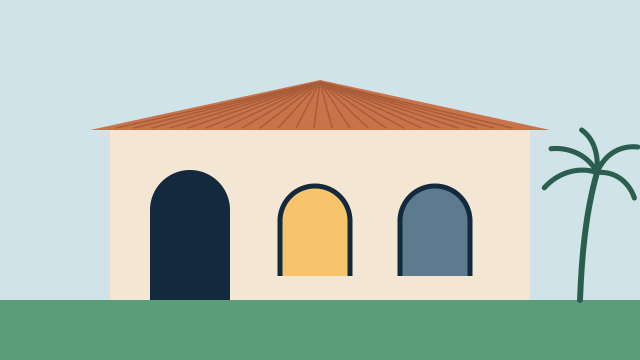
Coral Gables is one of the incorporated municipalities of Miami-Dade County, and its housing ranges from 1920s-era houses to recent construction. For automation, two local factors shape most plans: the city’s historic preservation review for exterior changes on designated properties, and the construction methods of older Mediterranean-style homes. AppxSmart, by SwayPC, serves Coral Gables onsite. We do not have a local office, and travel is included in each project quote.
How does historic review affect a smart home project?
Mainly through the exterior. According to the city’s historic preservation guide, properties listed in the Coral Gables Register are reviewed before building permits are issued for exterior alterations, through a Certificate of Appropriateness. Minor work may be handled by staff, while substantial changes go to the Historic Preservation Board. The same guide says interior remodeling is generally not subject to this review, with exceptions for a few spaces the city has specifically identified.
In practice, that means:
- Interior automation, such as smart dimmers, thermostats, interior motorized shades and network equipment, is the simpler part of the project.
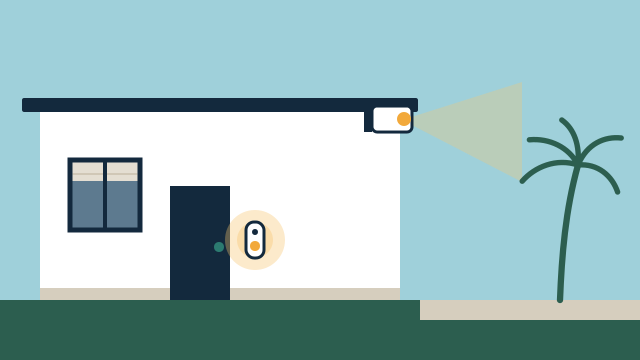
- Exterior items, such as cameras on the facade, gate operators, new exterior lighting or equipment visible from the street, should be discussed with the city first.
- Some electrical work may need a permit regardless of historic status, and that work is handled by a licensed electrician.
We cannot determine whether a property is designated or what the city will approve. The owner, or the owner’s architect, confirms that with the city’s Historic Preservation office. Our part is to design options that keep exterior changes minimal and to give the owner clear drawings and device details to share.
What changes in a Mediterranean-style house?
Construction details matter more than style. Older homes in the city often have masonry walls, plaster finishes, arched windows and deep reveals. These affect three parts of a project.
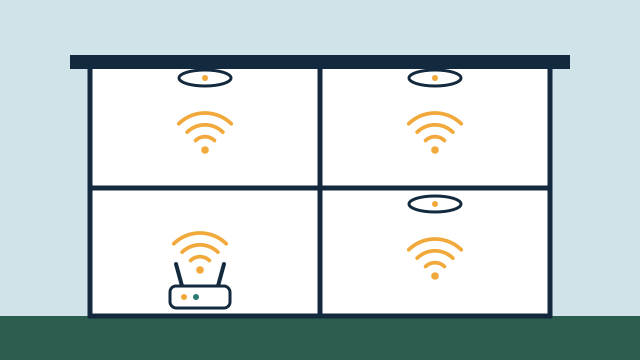
Wireless coverage. Masonry and plaster absorb Wi-Fi and some smart-home radio signals. A single router rarely covers the whole house, so we usually plan wired access points and test signal strength in each room before choosing devices. Our article on why networking matters for automation explains why this comes first.
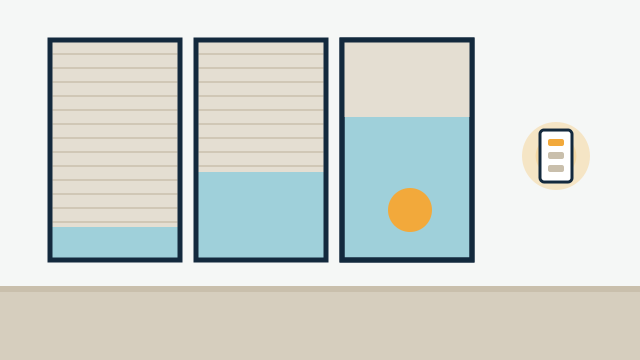
Window treatments. Arched and irregular openings limit which shade systems fit. Some owners motorize only the rectangular portion of an arched window, and some openings suit a different treatment altogether. We measure each opening before recommending motorized shades.
Wiring paths. Running new wire through plaster and masonry is slower and more visible than in drywall. Where opening walls is undesirable, we favor devices that replace existing switches, battery-powered shade motors and wireless keypads, and we explain the trade-offs, such as battery replacement.
Illustrative example: The owner of an older Coral Gables house wants one button by the bedroom door to turn off every light downstairs. The existing switch boxes are reused for smart dimmers, a wireless keypad goes on the bedroom wall, and two wired access points are added so every dimmer stays reachable through the interior walls.
What about newer homes and businesses?
Newer homes and major renovations follow a more conventional plan. With walls open, the best approach is to coordinate with the builder or designer on keypad locations, shade power and an equipment closet. Our page for builders and designers covers that process.
For offices and shops, automation usually lives inside the tenant’s space. We focus on lighting schedules, thermostats and staff door codes, and we confirm with you what the landlord or building management controls.
How AppxSmart can help in Coral Gables
We start with a visit to assess the house or space, the existing equipment and the network. Then we send a written proposal that separates interior work from anything that may need city review, so you can decide how to proceed. Installation, hardware and optional support agreements are quoted in the proposal.
To begin, request a free consultation and we’ll contact you as soon as possible.